
Cai Shen Fishing | Play Guide & Demo
Cai Shen Fishing is an action-led fishing game where you choose a target, manage a shot value, and watch the screen for catch feedback. This guide explains the flow and the practical choices that make a Cai Shen Fishing session easier to understand.
For a quick orientation, a Cai Shen Fishing Demo lets you learn the target rhythm before you decide how to participate. The nnn777 Cai Shen Fishing route keeps the same recognizable icon and mobile-first controls in one compact lobby.
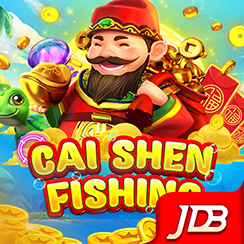
The short answer is simple: identify a worthwhile target, keep each shot within your planned value, and stop when the session no longer feels controlled. That approach makes Cai Shen Fishing approachable on a phone without promising a guaranteed result.
Cai Shen Fishing Neighbouring Game Picks
Hot shelfCai Shen Fishing sits beside several hot choices for players who want to compare pace and visual style. These compact cards use the same real game names, types, and image records as the nnn777 lobby.




Cai Shen Fishing: What Happens in a Round
The direct answer: a Cai Shen Fishing round moves from target selection to shot placement, catch feedback, and a new decision. You do not need to memorize a complicated table; you need to notice what is on screen and keep the selected value consistent with your plan.
Scan the Cai Shen Fishing scene
At the start, fish and special targets move through the play area. Take a moment to see which targets are close, which are moving quickly, and whether a crowded path makes a shot harder to read.
Choose a target and value
Point at one target, check the visible shot value, and avoid changing value simply because a symbol looks exciting. A Cai Shen Fishing Demo is useful here because it lets new players rehearse this choice calmly.
Fire and watch the result
Send the shot, then allow the game to show its catch or miss feedback. The nnn777 Cai Shen Fishing layout makes the action easy to follow, but a visual hit is still not a promise of a fixed return.
Reset your next decision
After feedback, return to your budget and time plan. Continue only when the next target makes sense; otherwise pause the Cai Shen Fishing round and review the session.
A good rhythm is deliberate rather than rushed. The Cai Shen Fishing sequence repeats, so taking a breath between shots gives you a clearer view of target movement and keeps the interface from deciding your pace for you.
How Cai Shen Fishing Shows Progress
The direct answer: progress in Cai Shen Fishing is best understood through completed actions, target feedback, and disciplined session milestones, not through a promise that every shot will win. This framing keeps the experience informative and enjoyable.
A first milestone is learning to identify a target without immediately increasing the shot value. A second is completing several Cai Shen Fishing rounds while keeping the same ceiling. A third is recognizing when a miss, a busy scene, or a rising emotional response is a reason to pause.
- Observation milestone: you can name the target you are following and explain why its path is readable.
- Control milestone: your selected value stays within the limit you set before opening Cai Shen Fishing.
- Review milestone: you can look back at a short session and describe what felt clear, rushed, or confusing.
- Responsible milestone: you finish at the planned time instead of extending a session to chase a missed catch.
These achievements give the Cai Shen Fishing Demo a purpose beyond testing buttons: it becomes a low-pressure orientation for the real interface. When the controls feel familiar, the decision-making remains yours rather than being driven by novelty.
A Practical Cai Shen Fishing Approach
The direct answer: use a fixed session budget, begin with a modest shot value, observe before firing, and stop at a pre-set limit. Cai Shen Fishing has moving targets, so a calm repeatable process is more useful than chasing a particular symbol.
Set a clear Cai Shen Fishing starting plan
Decide your maximum amount, number of rounds, and end time before you open the lobby. Split the amount into small units so one tempting target cannot consume the whole plan. A Cai Shen Fishing Demo can help you practice the sequence without confusing practice with a financial prediction.
Match the value to the target view
Small values leave room to observe the screen and learn the timing. If you choose a larger value, treat that as a deliberate change rather than a response to a miss. The nnn777 Cai Shen Fishing display is quick, so pausing after each result helps keep your selection intentional.
Use breaks as part of the strategy
After a short block, put the phone down and check how much time and budget remain. A break protects the quality of your decisions and keeps Cai Shen Fishing in the role of entertainment. Never increase a value merely to recover an earlier loss, and never treat a streak as proof that the next result is due.
Steady viewing
Best for a player learning movement: follow one target, keep the value low, and record what the interface shows.
Short comparison
Best for a returning player: compare two target types for a limited time, then close the game and review the experience.
Cai Shen Fishing Terms Made Clear
The direct answer: the important Cai Shen Fishing vocabulary describes what you see and what you control: a target, shot value, catch feedback, and a session limit. Knowing these terms makes a Cai Shen Fishing Demo easier to follow and reduces accidental decisions.
Target
A target is the moving fish or special object selected for attention. Its appearance can indicate a different displayed value, but an attractive target is not a guarantee of a result.
Shot value
Shot value is the amount attached to one action. It is the control that should stay inside the limit you set before a Cai Shen Fishing session.
Catch feedback
Catch feedback is the animation, sound, or on-screen response after an action. Read it as the result of that action, not as advice to fire again immediately.
Session limit
A session limit is a personal time or spending boundary. It keeps nnn777 Cai Shen Fishing comfortable on mobile and makes stopping a planned part of play.
Two ideas are often confused. A demo is for learning controls and visual rhythm; it is not evidence of future outcomes. A live participation option uses its own conditions, so read the displayed information and keep responsible-play boundaries in place.
For a wider mobile-lobby comparison, the Nnn777 Bonus guide explains how to read an offer before deciding whether it suits your own session. The link is informational, while the buttons on this page remain the direct route to promotion.
Cai Shen Fishing: The Essentials to Remember
The direct answer: learn the controls in a Cai Shen Fishing Demo, select targets patiently, keep shot values within a fixed plan, and leave when your limit is reached. Those four habits cover the useful core of the game without suggesting that any result is guaranteed.
- Know the loop. Scan, choose, fire, read feedback, and decide again. A repeated Cai Shen Fishing loop rewards attention more than hurried tapping.
- Keep the plan visible. A written time and spending limit is easier to follow than a promise made after an exciting animation.
- Use comparison wisely. The nnn777 Cai Shen Fishing presentation is designed for a phone, but a clear screen does not remove normal game variance.
- Separate learning from expectation. A demo shows navigation and timing; it cannot forecast a later outcome or turn a miss into a reason to raise the value.
- Choose a stopping point. Finishing a planned session is a meaningful achievement, whether the last round displayed a catch or a miss.
If you want a second table-style experience after reading this page, the Super Ace Deluxe game guide offers a different pace to compare. For another live-casino format, the Baccarat guide explains a separate decision flow. Keep each game’s rules and limits distinct rather than carrying assumptions from one title to another.